
- Commercial Pest Control
Warehouse Pest Control for Facilities That Get Audited
PC Exterminators connects facility managers with licensed contractors for warehouse pest control built around dock doors, racking and audit deadlines. Documented programs, exclusion work that actually closes the gaps, and service scheduled around your shifts rather than your provider’s route.
- Licensed and insured contractors
- All 50 states
- Free facility assessment
- Call answered 24/7

What Warehouse Pest Control Covers
Warehouse pest management is a program, not a route stop. Here is what gets delivered.
Benefit list, render as icon cards or a two-column list:
- A full facility assessment first, walking the dock line, perimeter, racking and drains
- Exclusion work sealing dock gaps, door sweeps and utility penetrations
- Mapped, numbered devices placed to a risk assessment, not a template
- Warehouse pest inspection on a frequency matched to your audit cycle
- Written reports with findings, corrective actions and trend analysis
- Service around your shifts, including nights and weekends
- A fixed written quote before any work begins
Pest control for warehouse sites lives or dies on prevention. Exclusion and monitoring cost less over a year than repeated reactive treatment, and they are the only part an auditor can actually see working.
Documentation That Holds Up in an Audit
Your documentation pack includes:
- A written program covering scope, methods, materials and responsibilities
- A numbered device site map that matches what is on your floor
- Service records logging every visit, finding and corrective action
- Trend analysis showing activity over time, not visit by visit
- Technician licensing and insurance records
- Product labels and safety data sheets for everything applied
Auditors judge whether activity is controlled, not merely responded to, and trending is what demonstrates it. Commercial programs arranged through PC Exterminators include IPM documentation and scheduled service records built for that review.
Warehouse Rodent Control Starts at the Dock Line
Rodents cause the most expensive warehouse damage, because they do not only contaminate. They gnaw packaging, chew wiring and nest inside palletized inventory that then ships to your customer. Most of them enter at the dock, where a stored leveler commonly leaves a gap well over half an inch. A rat needs about half.
Warehouse rodent control covers:
- Dock seals, brush strips and door sweeps on every bay
- Sealing around bumpers, restraints and utility penetrations
- Tamper resistant exterior stations intercepting pressure at the perimeter
- Mechanical monitoring inside, never rodenticide near stored product
- Catch data mapped and trended to find structural defects
Three hits at the same station across two months means a gap in the building, not bad luck. Warehouse rodent control that works tells you which gap, and puts it in writing.
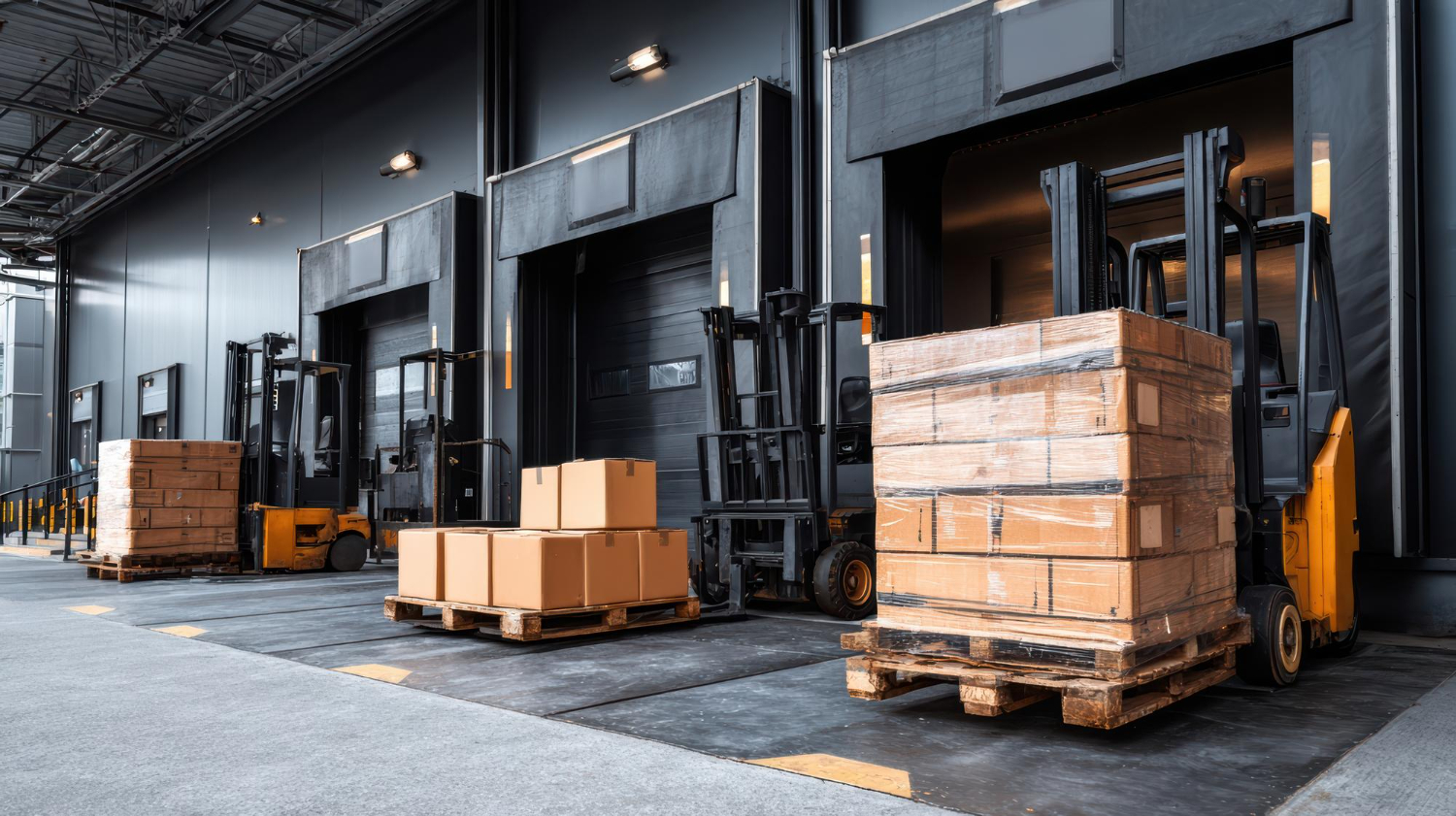
Warehouse Pest Control by Facility Type
Risk profile drives the program. Tell us which of these you run and the assessment starts from the right place.
Facility list, render as cards or a bulleted list with bold labels:

Food warehouse pest control
Highest scrutiny. Stored product monitoring, strict material limits in storage areas, full audit documentation as baseline.
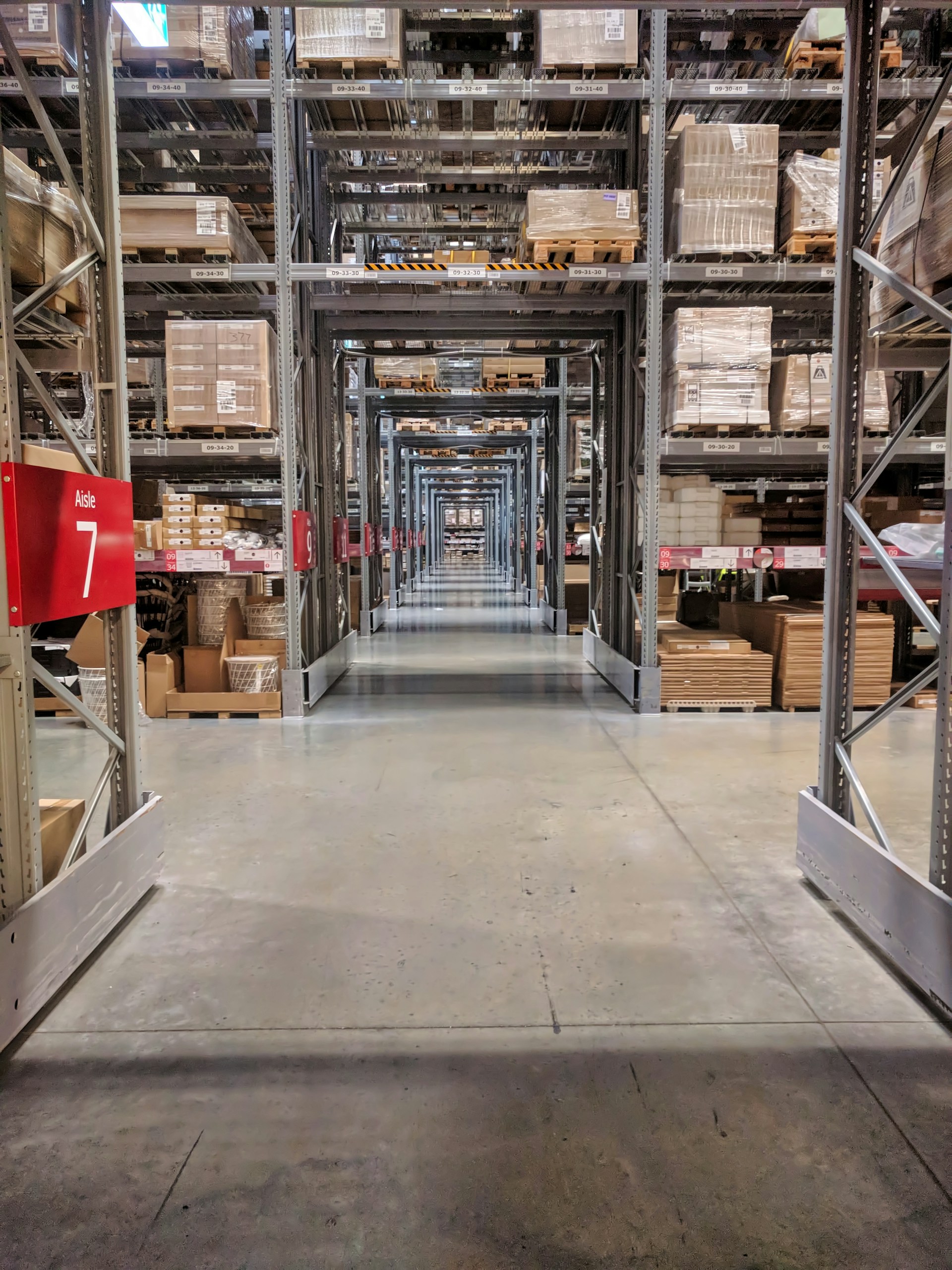
Distribution center pest control

Logistics warehouse pest control and 3PL
Client-specific requirements differ inside one building, so programs are mapped per zone and per contract.
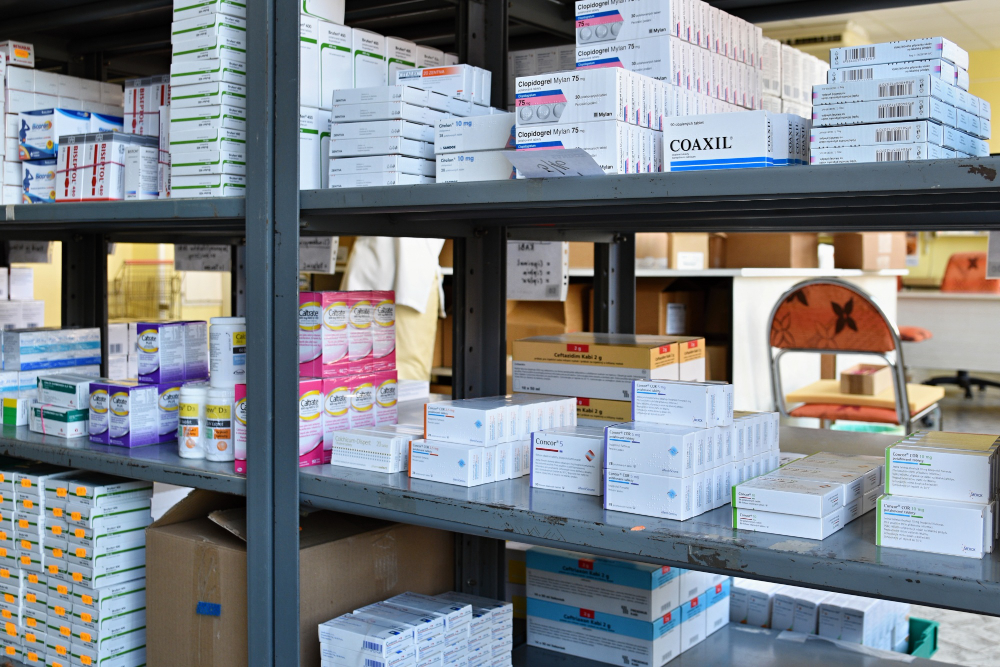
Pharmaceutical warehouse pest control
Near-zero contamination tolerance. Exclusion and mechanical monitoring, minimal chemical intervention, tight documentation.

Retail warehouse pest control and inventory storage
High cardboard volume and heavy returns processing. Returns areas are the most commonly missed harborage.

Industrial warehouse pest control and manufacturing
A manufacturing exterminator works around production schedules and machinery that cannot stop, which usually means night and weekend service.
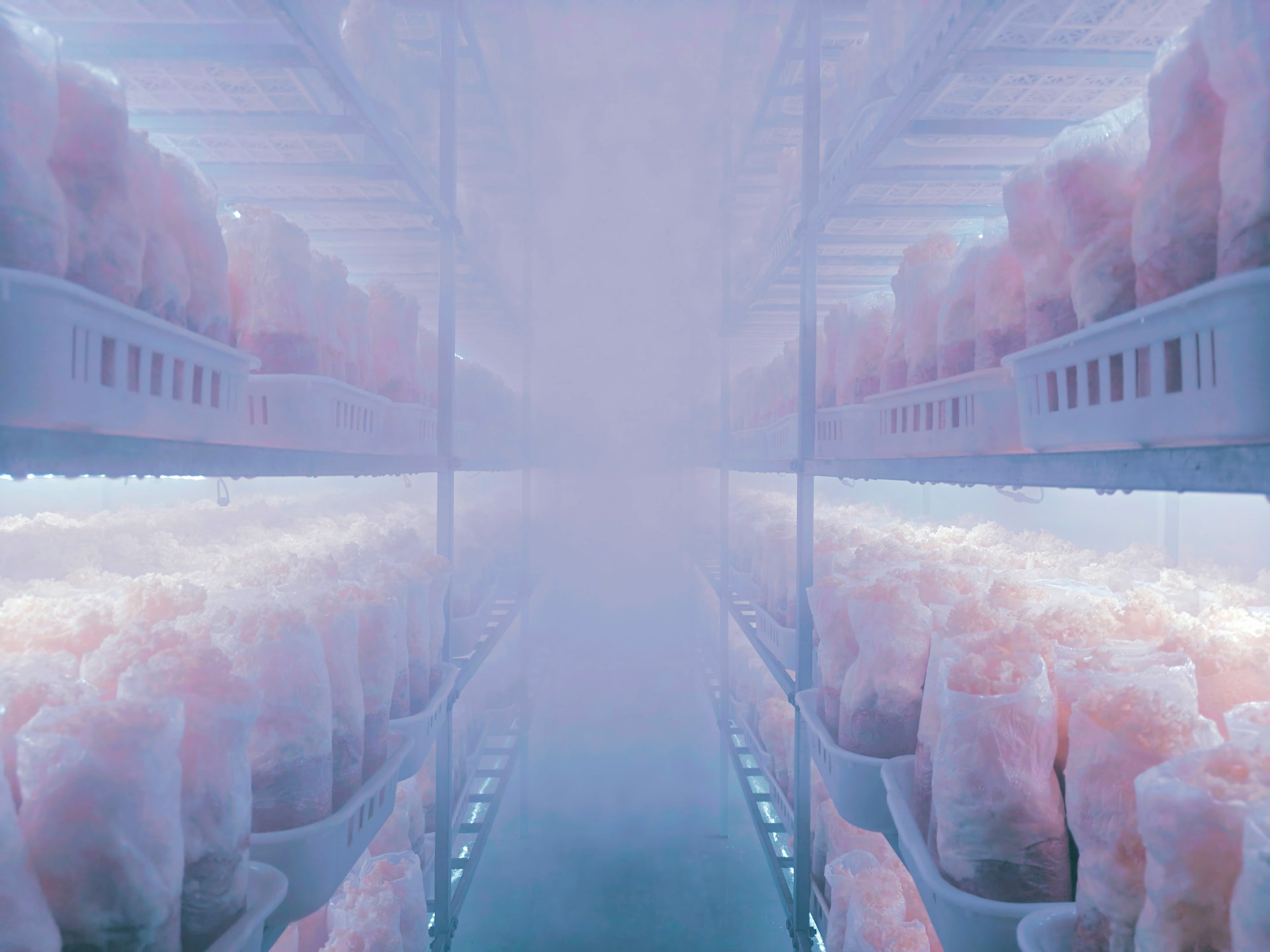
Cold storage
Low temperatures suppress insects but concentrate rodent pressure at warm zones, door seals and equipment rooms.

Is Warehouse Pest Treatment Safe Around Stored Product?
Yes, and placement is the reason rather than product choice. Technicians apply EPA registered materials into voids, cracks and drains, not across open floors or anywhere near palletized inventory. Inside product storage areas, rodent devices are mechanical, because interior rodenticide near stored product is a finding in most audit schemes.
What you are entitled to ask for:
- Product labels and safety data sheets for everything applied on site
- Advance notice so staff clear treatment areas before the visit
- Confirmation of when each area is safe to reoccupy
- Alternative products where staff have respiratory conditions or sensitivities
Tell the contractor about your product mix, your staff and your audit obligations at the assessment. All three change material selection, and changing it later is harder than choosing correctly at the start.
The Honest Pros and Cons
Worth knowing before you sign, including the parts a pest control program cannot solve for you.
| What works well | What to weigh up |
|---|---|
| Documentation built for audit review | Trend data takes months to build, not days |
| Exclusion permanently lowers pressure | Exclusion is capital spend, quoted separately |
| Service runs around your shifts | Night and weekend work costs more |
| Early detection beats reactive treatment | Results depend on sanitation and receiving too |
| One program across all 50 states | Infested inbound freight is a supplier problem |
The last two rows carry the most weight. A program will find an infestation arriving on a pallet, but stopping it needs a receiving process at your end. Any provider claiming otherwise is overselling.
What Warehouse Pest Control Costs
Visible bird activity or droppings inside a food grade facility is treated as a major finding in most schemes, which is why rafter level inspection belongs in any serious warehouse pest inspection.
Exclusion is usually the highest value spend in year one, because it permanently lowers pressure rather than repeatedly treating it. Assessments and written quotes cost nothing.

Get Started in Three Steps
Numbered steps, render as a 3-step block:
01
Call or request an assessment
START HERE
Tell us your location, facility type, dock count and audit deadline, and we will match you with a contractor who handles pest control for warehouse operations locally. Two minutes.
02
Walk the site with a contractor
A licensed local professional covers the dock line, perimeter, racking and drains, then gives you a fixed written quote. Free, no obligation.
03
Start the program
Devices mapped and numbered, first service scheduled around your shifts, documentation from visit one.
COMMON QUESTIONS
Warehouse Pest Control Questions, Answered
How often should a warehouse have pest control service?
Monthly is the common baseline for audited facilities. Food and pharmaceutical warehouses often move to twice monthly in summer or after activity is detected. Warehouse pest management frequency should follow a documented risk assessment, because auditors ask how you set it.
What Documentation Do I Get for Audits?
A written program, a numbered device site map, service reports with findings, a corrective action log, trend analysis, licensing records, and product labels with safety data sheets. Auditors check that devices on your floor match the numbers on the map.
Is Rodent Bait Used Inside a Warehouse?
Generally no. Inside product storage, mechanical devices such as snap traps and multi-catch stations are standard, with rodenticide restricted to tamper resistant exterior stations. Interior rodenticide near stored product is a finding in most audit schemes.
Can You Come Out Before an Audit?
Often, yes. Calls are answered 24 hours a day and emergency warehouse pest control is available in most areas. Be realistic about timing though: activity can usually be knocked down quickly, but the trend data auditors want takes months.
Do You Cover Distribution Centers and 3PL Facilities?
Yes, across all 50 states. Coverage includes food and beverage distribution, third-party logistics, fulfillment centers, pharmaceutical storage, retail distribution, cold storage and manufacturing. Programs are built per facility, never from a national template.
Book a Free Warehouse Pest Control Assessment
Preparing for an AIB or SQF audit, chasing rodent activity at the dock line, or standing up a program for a new distribution center. Whichever brought you here, the next step is the same: a licensed contractor walks your facility and gives you a straight assessment and a fixed quote. PC Exterminators connects you with licensed and insured contractors for ongoing warehouse pest control in all 50 states.
4.9
Trust points beside form:
- Phone: +1 855 616 1287
- Email: info@pcexterminator.com
- Hours: Open 24 hours, 7 days a week
- Coverage: All 50 US states, same day service in most areas
Prefer to call? We answer 24/7
Pesticide Safety and Staff Notification
Technicians apply only EPA registered materials, used according to the label. Ask for the product label and safety data sheet for anything applied on site, and for enough notice to clear staff from treatment areas. If anyone in your facility has a respiratory condition or known sensitivity, say so before the visit. Notification rules vary by state.