
- Wasps, Hornets and Yellowjackets
Wasp Exterminator Services for Effective Nest Removal
- Licensed and insured contractors
- Protective equipment and ladders
- All 50 states
- Calls answered 24/7
Stung? What to Do Right Now
Call 911 immediately if the person has any of these after a sting:
- Trouble breathing, wheezing or a tight throat
- Swelling of the face, lips, tongue or throat
- Dizziness, fainting, or a weak and rapid pulse
- Hives or swelling spreading away from the sting site
- Been stung many times, even with no known allergy
If an epinephrine auto-injector is available, use it first and still call 911. A severe reaction usually starts within minutes, though it can occasionally be delayed about an hour. For a sting that is painful but not spreading, Poison Help at 1-800-222-1222 can advise, free and around the clock.
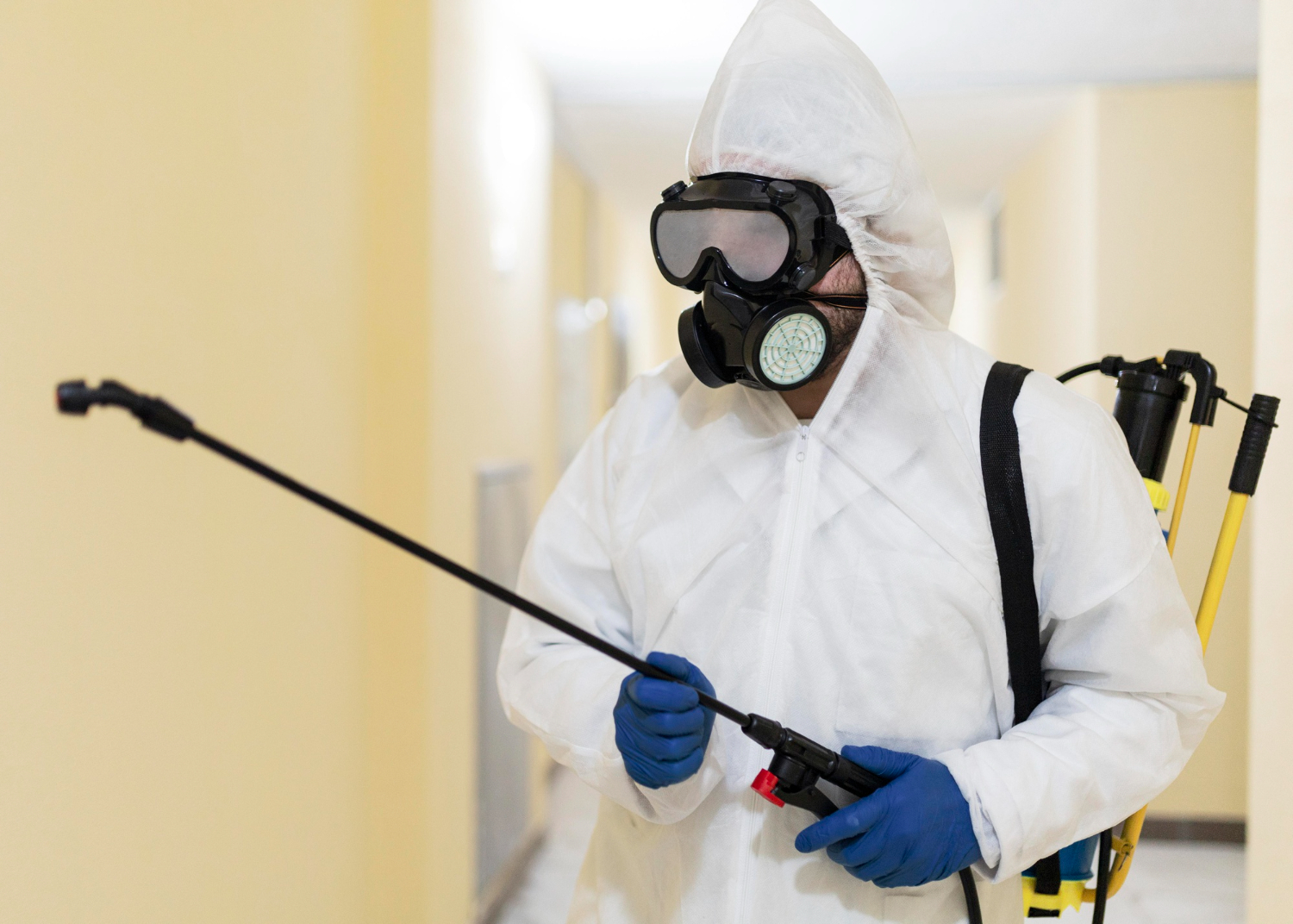
What a Wasp Exterminator Actually Does
- Identifies the species before anything is treated, because the method differs
- Finds the nest, including nests inside walls, soffits and ground cavities
- Treats in protective gear, at the time of day the colony is least active
- Removes the nest where it is safe to reach, not just treats it
- Checks for secondary nests on the same property
- Advises on entry points so the same cavity is not reused next year
Professional wasp removal is as much about access and timing as it is about product. That is most of what you are paying for.
Signs of a Wasp Infestation
- Steady traffic in and out of one gap, hole or eave
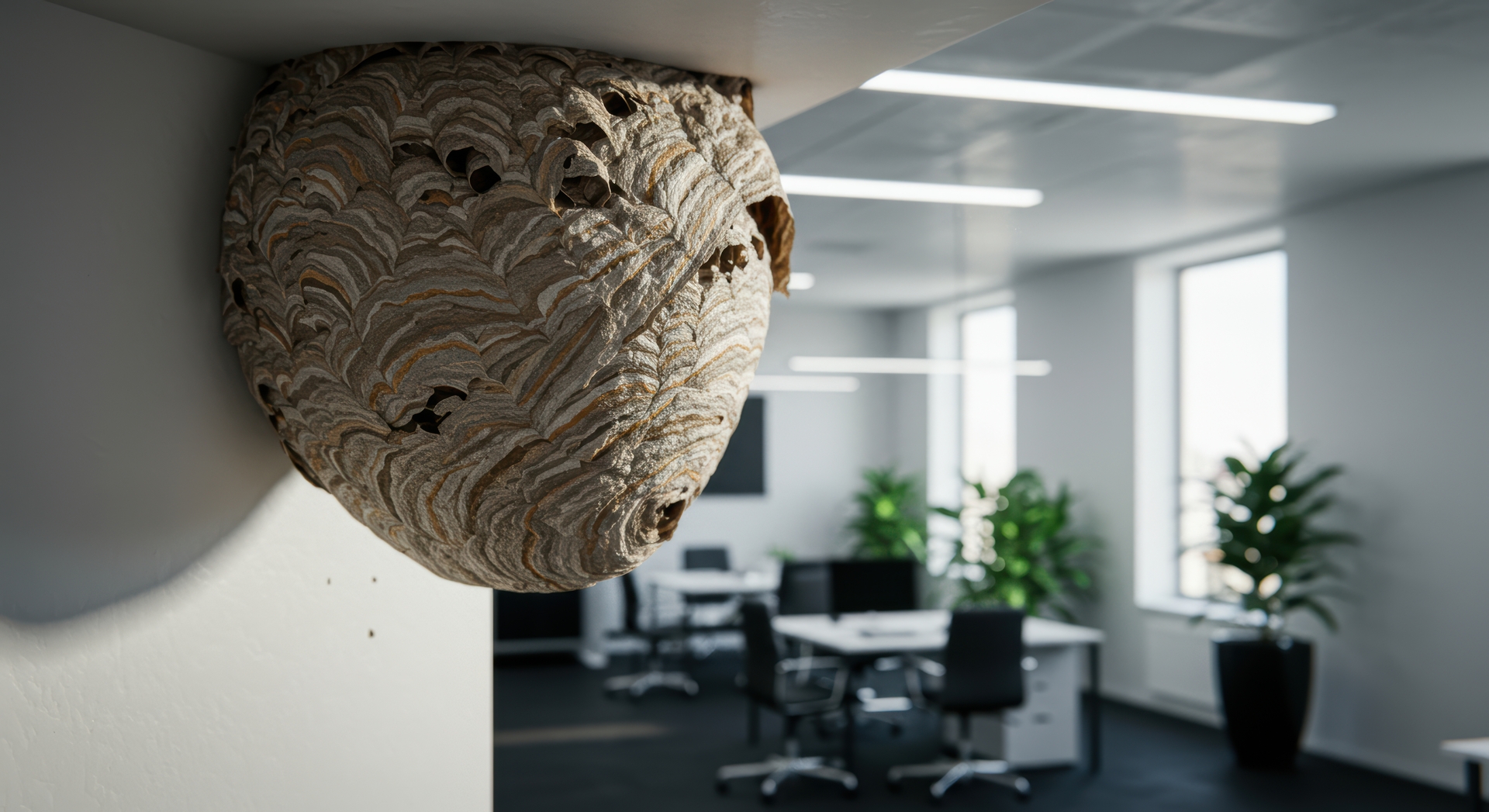
- A papery grey nest under eaves, in a shed or in a hedge
- Wasps indoors repeatedly in the same room
- Buzzing or rustling inside a wall or ceiling cavity
- Chewed, weathered-looking wood on fences or sheds
A wasp infestation inside a wall cavity is the one to act on quickly. Pest removal for wasps in a cavity is straightforward when treated from outside the entry hole. Leaving it until the nest is large, or sealing the hole with the colony inside, is how wasps end up in the bedroom.
Wasps, Hornets or Honeybees? Check Before You Call
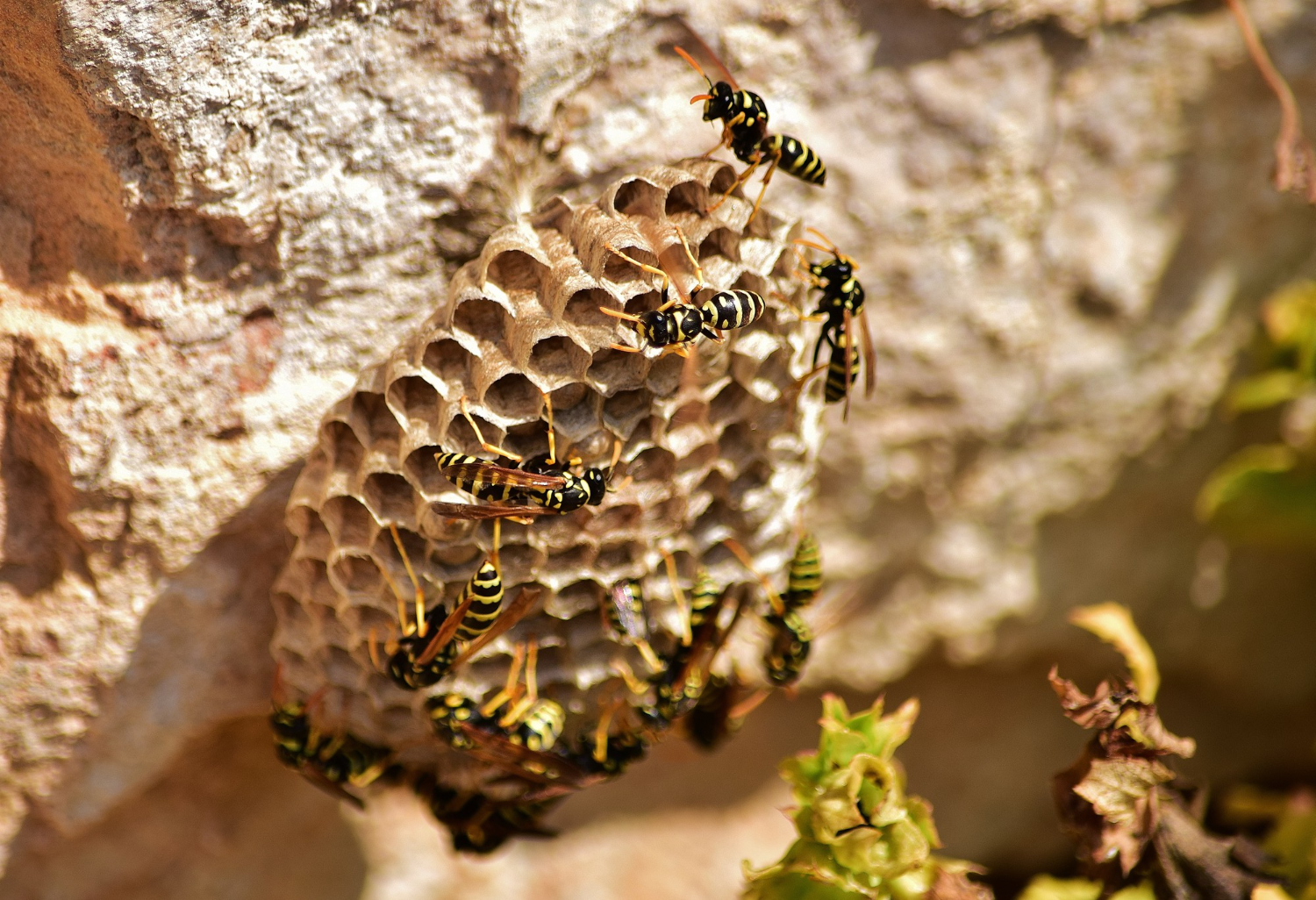
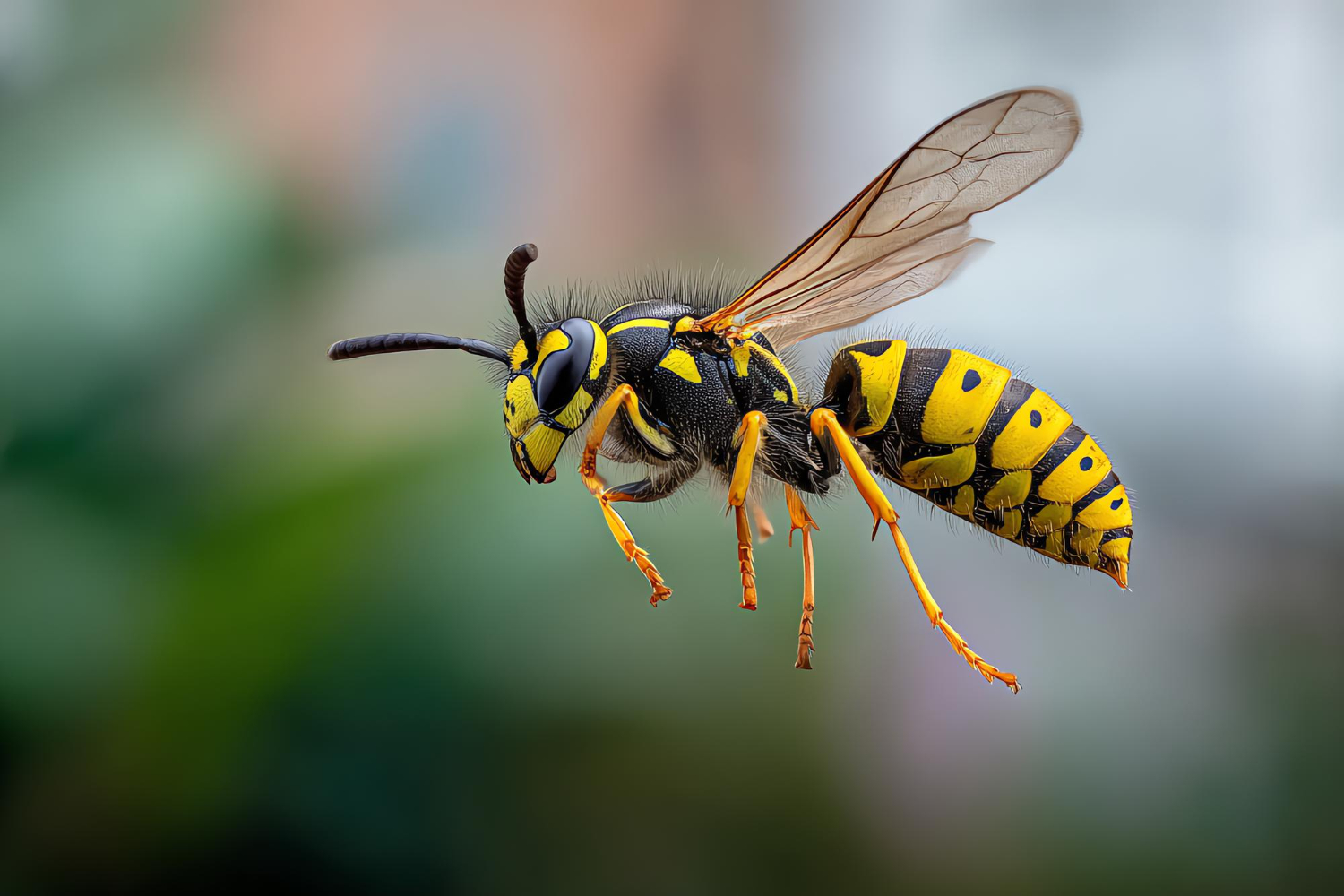
If they are fuzzy, golden-brown and visiting flowers, you probably have honeybees. A good contractor will not exterminate those. Honeybee colonies should be removed live by a beekeeper, and we will tell you that rather than treat them. Bumblebees, large and very fuzzy, are also better left alone where possible.
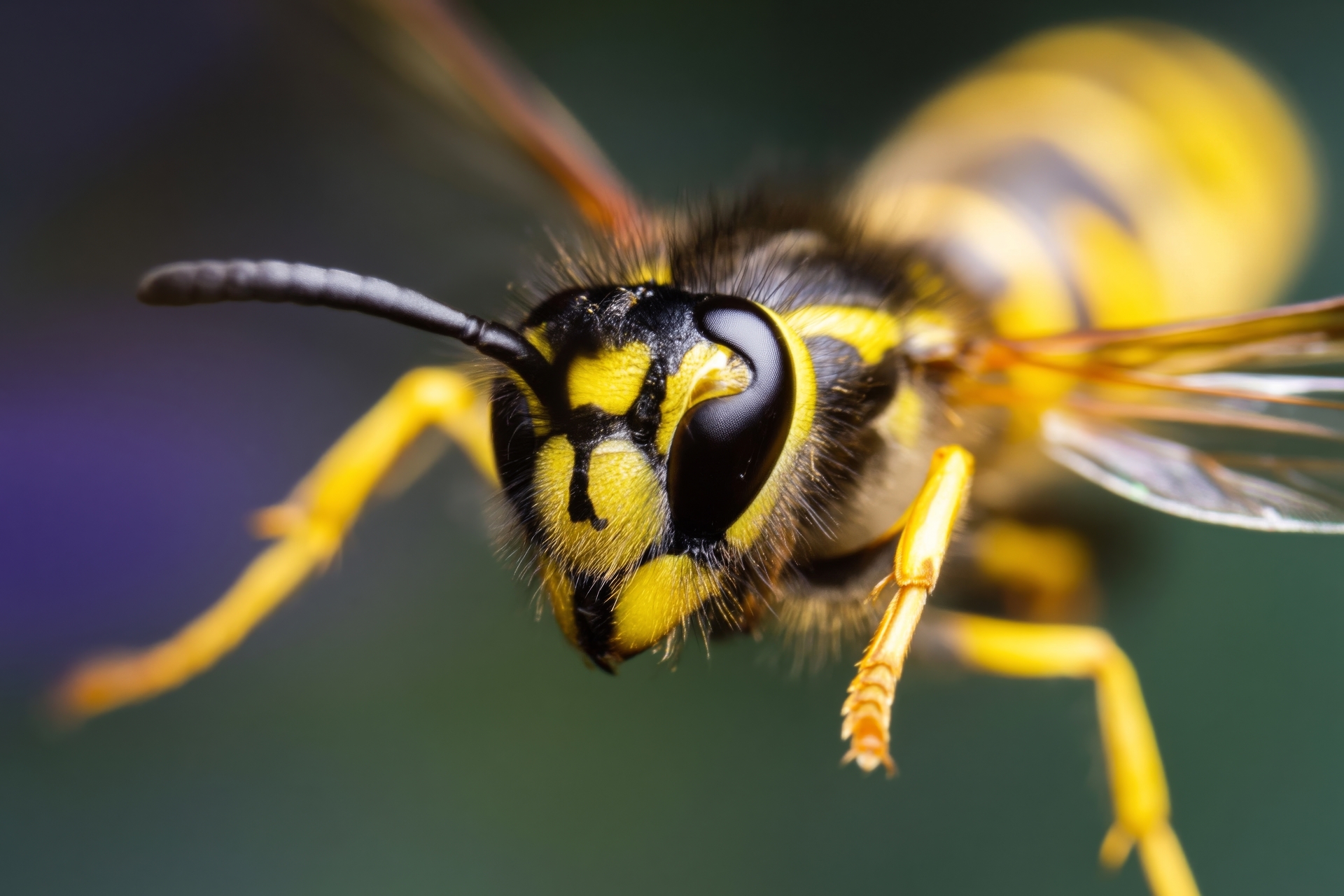
Wasps, hornets and yellowjackets are smooth, brighter yellow and far more interested in your food and bin than your flowers. Those are the ones this page is about. If you are unsure, send a photo from a safe distance when you call.
How Professional Wasp Removal Works
Step 1 — Identify and locate
Confirm the species and find every entry point, which is not always where the activity looks heaviest.
Step 2 — Time it
Treat at dusk or dawn where possible, when most of the colony is home and least active.
Step 3 — Treat
Apply directly into the nest or entry point in full protective equipment, keeping people and pets clear.
Step 4 — Remove and advise
Take the nest down where access allows, then point out the gap to seal once activity has fully stopped.
Do not seal the entry hole yourself before treatment. Wasps trapped inside a cavity chew their way out, and the direction they choose is often into the room on the other side.
When a Nest Can Wait, and When It Cannot
Wasps are predators that eat large numbers of garden pests, and a nest high in a tree at the back of a large garden may genuinely not need touching. A good contractor will say so.
Treat it as urgent when the nest is:
- Near a door, path, play area or bin store
- Inside a wall, roof or chimney cavity
- At a school, restaurant, care home or food site
- Anywhere a known sting allergy is in the household
- Being disturbed daily by mowing or building work
Why DIY Nest Removal Goes Wrong
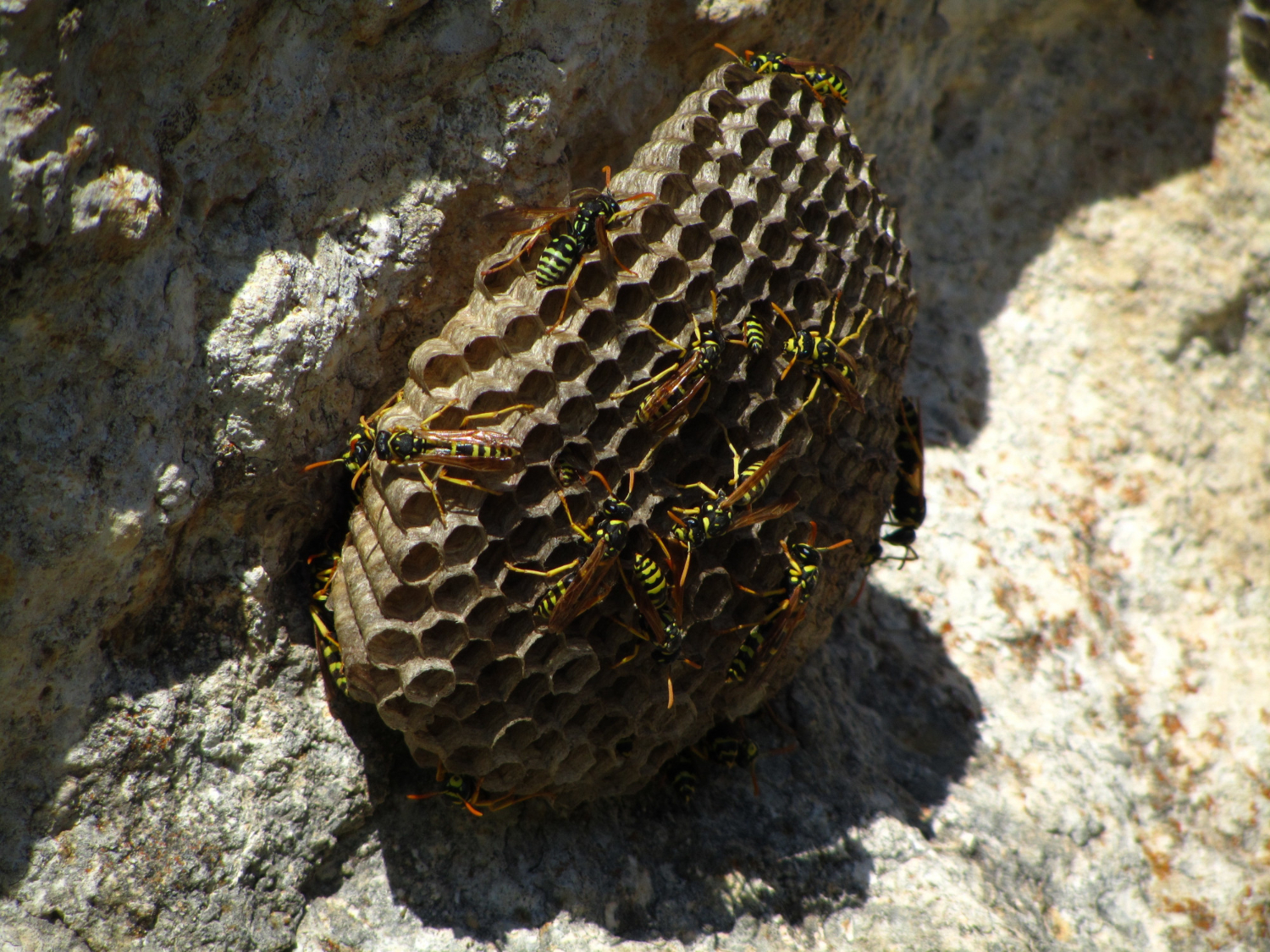
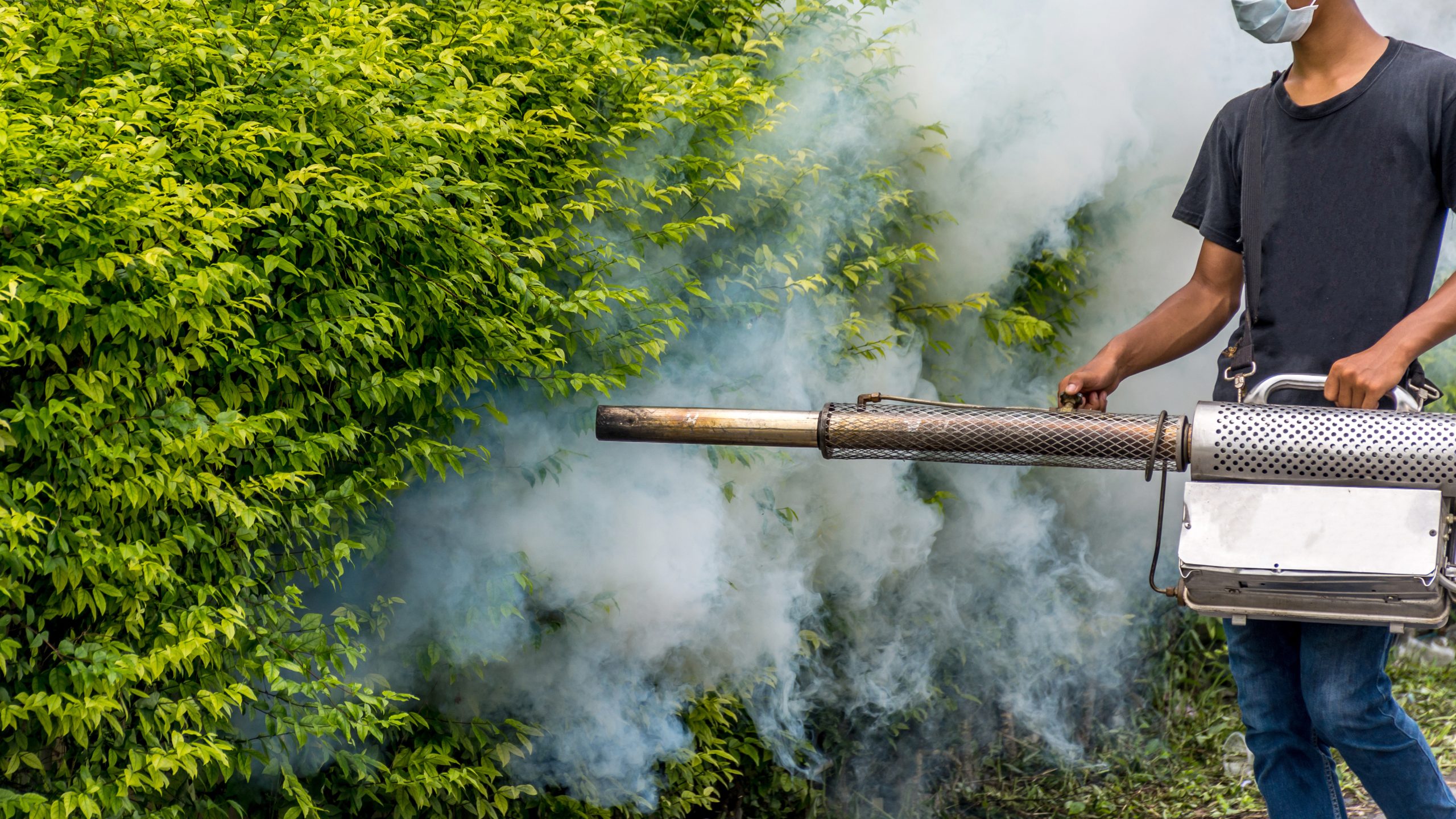
Wasps do not behave like other pests when attacked. A disturbed colony defends in numbers, each wasp can sting repeatedly, and the alarm pheromone brings more. The classic injuries are not stings alone. They are falls, because people spray a nest while standing on a ladder and then try to get down quickly.
Shop-bought aerosols also kill only the wasps they reach, leaving the nest and the queen intact. If you are going to attempt anything yourself, read our guide on when DIY is reasonable and when it is not, and skip it entirely if anyone in the household has ever reacted badly to a sting.
Pest Control Services for Wasps at Home and Work
At home, it is usually one nest in an eave, shed or lawn. Pest control services for wasps at a business carry more weight: outdoor dining, bin stores and loading bays attract them, and one stung customer is a complaint or a claim. Schools, care homes and food sites get treated as priority because of who is nearby.
Wasp and pest control for a commercial site usually means a treated nest plus advice on bin storage and sugar sources, because the nest is a symptom of what is available to eat. Ongoing wasp control services make sense where the same eaves or bin store are colonised every summer.
Autumn Wasps Are the Aggressive Ones
Late in the season, the colony stops raising young and the workers lose their usual food supply. They switch to sugar, which is why they appear around bins, fallen fruit and drinks in September and October, and why they seem bolder and more irritable than they did in June.
The colony dies off with the first hard frosts and the nest is not reused the following year. That does not mean waiting it out is sensible if the nest sits by a doorway, because the last few weeks are when stings are most likely.
What Wasp Removal Costs
Professional wasp removal is priced on access more than anything else. A nest under a low eave is a short job. One at roof height, inside a wall, or in a chimney takes longer, needs equipment, and sometimes a second visit.
You get a price before any work starts. If a contractor cannot safely reach it, they should tell you that on the phone rather than on arrival.
Available 24/7 · Same-day pest control · No obligation
The Honest Pros and Cons
| What works well | What to weigh up |
|---|---|
| Usually resolved in a single visit | Wall and chimney nests may need a second |
| No ladder work or stings for you | Height access can cost more |
| Species identified before treatment | Honeybees go to a beekeeper, not us |
| Nest removed, not just treated | You must stay clear for a few hours |
| Licensed contractors in all 50 states | A nest in a neighbour's property is theirs to act on |
Wasp Exterminator Questions, Answered
How Fast Can Someone Come Out?
Often the same day. Calls are answered 24 hours a day, and a wasp removal service is treated as urgent when the nest sits near a door, a play area or a food business. Tell us where it is when you call.
How Much Does a Wasp Exterminator Cost?
It depends almost entirely on access: a low eave is quick, a roof line or wall cavity is not. You get a price before work starts, and the quote is free.
Will the Nest Be Removed or Just Treated?
Both, where access allows. The nest is treated first, then taken down once activity has stopped. A nest left inside a wall cavity is sometimes left in place, which the contractor will explain.
What If the Nest Is High Up or Inside a Wall?
Both are routine, though they take longer and may need equipment or a follow-up visit. Never seal a cavity entrance yourself before treatment, because the colony will chew a new way out.
What If It Turns Out to Be Honeybees?
Then you should not use an exterminator. Honeybees are removed live by a beekeeper, and the contractor will tell you if that is what you have rather than treating them.
Book a Wasp Exterminator Today
A nest over the back door, wasps coming out of a wall, or a bin store nobody wants to walk past. You do not need to stand on a ladder with an aerosol to fix it. PC Exterminators connects you with a licensed wasp exterminator in all 50 states, often the same day, with a price agreed before any work starts.
- Phone: +1 855 616 1287
- Email: info@pcexterminator.com
- Hours: Calls answered 24 hours a day, 7 days a week
- Coverage: All 50 US states
Sting Emergencies and Pesticide Exposure
For a sting with trouble breathing, swelling of the face or throat, dizziness or spreading hives, call 911 and use an epinephrine auto-injector if one is available. For pesticide exposure, or a sting that is painful but not spreading, call Poison Help at 1-800-222-1222, free and answered 24 hours a day. For a pet, call your vet.